

The choice between desk phones and softphones represents one of the most practical decisions in VoIP implementation, yet many organizations make this choice without fully understanding the tradeoffs involved. Desk phones offer dedicated hardware purpose-built for voice communication, while softphones leverage general-purpose computers and mobile devices to provide phone functionality through software. Each approach offers distinct advantages and limitations that affect user experience, manageability, and total cost of ownership. Understanding these factors enables organizations to make deployment decisions that serve their specific needs rather than defaulting to familiar approaches that may not fit optimally.
Understanding the Fundamental Differences
Desk phones are specialized hardware devices designed primarily for voice communication. They connect to your VoIP network directly, featuring dedicated processors optimized for handling voice packets, high-quality audio components including speakers and microphones, and physical buttons for common functions like mute, hold, and volume control. The dedicated nature of desk phones means they're engineered specifically for the demands of all-day voice communication use.
Softphones are software applications that run on general-purpose computing devices—laptops, desktop computers, tablets, and smartphones. They leverage the audio and network capabilities of these devices to provide phone functionality without dedicated hardware. The flexibility of software-based phone operation enables features and interfaces that physical buttons cannot easily provide, while sacrificing some of the optimized audio quality that dedicated hardware delivers.
The choice between these approaches often isn't binary. Many organizations deploy both—desk phones for employees at fixed locations who make high volumes of calls, softphones for mobile workers and remote employees who need phone capabilities without fixed workstations. This hybrid approach tailors the phone experience to different user needs rather than forcing one solution onto everyone.
Audio Quality Considerations
Audio quality represents one of the most frequently cited advantages of desk phones over softphones. Dedicated phone hardware includes higher-quality speakers and microphones than typical consumer devices, along with acoustic echo cancellation and noise reduction specifically designed for voice communication. The physical separation between handset and microphone in desk phones also prevents the feedback issues that can plague softphone implementations.
Acoustic Engineering in Desk Phones
Quality desk phones undergo significant acoustic engineering to optimize voice reproduction. Speaker enclosures are designed to enhance voice frequencies while minimizing distortion. Microphones incorporate noise-canceling technology that filters background noise while capturing the user's voice clearly. These optimizations result in audio that sounds more natural and requires less effort to understand, particularly during extended calls or in noisy environments.
Consumer devices—laptops, tablets, and smartphones—prioritize different acoustic characteristics. Built-in speakers optimize for music and video content; microphones prioritize general-purpose voice capture rather than the specific frequencies and patterns of human speech. The result is technically adequate but perceptibly inferior audio compared to purpose-built desk phones.
When Softphone Audio Quality Is Sufficient
Modern softphones have narrowed the audio quality gap significantly. With good quality headsets or external microphones, softphones can deliver audio quality comparable to desk phones for most business purposes. The difference becomes less noticeable with quality peripherals, and many users cannot distinguish between softphone and desk phone calls in blind tests when both use equivalent audio equipment.
For short calls and typical business conversations, softphone audio quality is almost certainly sufficient. The gap only matters for extended calls where listener fatigue becomes a factor, calls in consistently noisy environments, or organizations with exceptionally high call volumes where small quality improvements compound across many calls.
User Experience and Productivity
The user experience differences between desk phones and softphones affect productivity in ways that extend beyond simple call handling. Dedicated phones offer tactile buttons that enable operation without looking at screens; softphones offer visual interfaces that can display more information and enable more complex operations. The best choice depends on how employees actually work.
Tactile Operation Advantages
Dedicated buttons for mute, hold, transfer, and line selection enable desk phone operation without visual attention. Users can answer calls, put callers on hold, and transfer calls while maintaining eye contact with their computer monitors. This capability proves particularly valuable for receptionists, support agents, and anyone who frequently toggles between phone and computer tasks during calls.
The one-touch simplicity of desk phones reduces the learning curve for users who may struggle with software interfaces. Physical buttons provide clear, unambiguous controls that don't require navigating through software menus. For organizations with high employee turnover or diverse technical sophistication, this simplicity can reduce support burden and training requirements.
Feature-Rich Softphone Interfaces
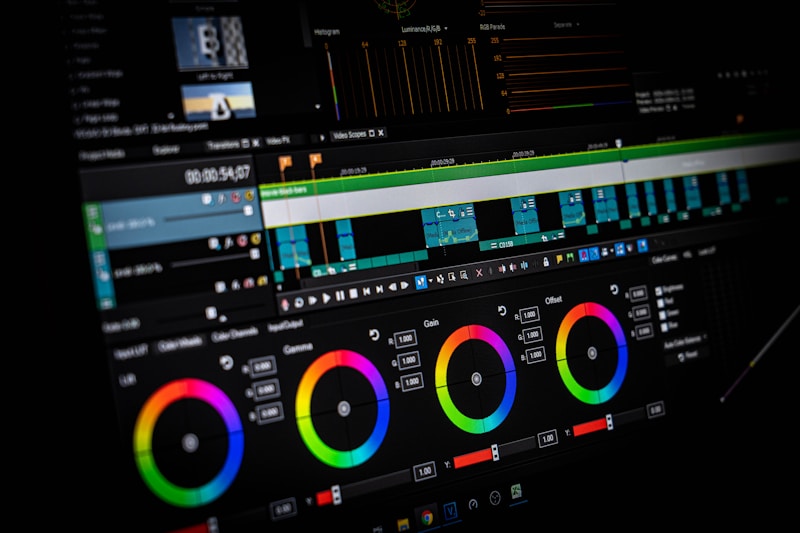
Softphones can display far more information than physical buttons allow—contact photos, call history, presence indicators, and instant messaging alongside the active call. This information density enables more sophisticated interactions that desk phones cannot support. Users can see at a glance which colleagues are available, review recent communications with callers, and access contextual information without switching applications.
Integration with other applications enables softphone capabilities impossible with dedicated hardware. Click-to-dial from any application, screen pops with CRM data, and automatic call logging leverage the softphone's position on your computer to create integrated workflows. These integrations dramatically improve productivity for users whose phone work involves significant computer interaction.
Management and Cost Implications
From an IT management perspective, desk phones and softphones present different operational characteristics. Hardware devices require physical provisioning, management, and eventual replacement; softphones exist as software that can be deployed, updated, and managed centrally. These differences affect total cost of ownership and operational burden in ways that inform deployment decisions.
Hardware Lifecycle Considerations
Desk phones represent physical infrastructure with associated lifecycle costs. Initial procurement, ongoing maintenance, eventual replacement, and spare inventory requirements create ongoing expenses beyond the initial purchase price. Devices fail, get damaged, and become obsolete as VoIP platforms evolve. Managing a fleet of desk phones across multiple locations introduces logistics complexity that softphone deployments avoid.
Softphones eliminate most hardware lifecycle concerns. Deployment happens through software installation or configuration; updates apply centrally without user intervention; and there's no physical device to fail, be damaged, or require replacement. The device the softphone runs on—laptop, smartphone, tablet—likely gets replaced on its own schedule for reasons unrelated to phone functionality.

Michael Torres
Michael has helped organizations design phone deployments that balance audio quality, user productivity, and operational efficiency through thoughtful combinations of hardware and software solutions.